
A figure circulates silently: more than 38 million French people connect to Facebook each month, but not a single one can officially know who views their profile. Behind the promises of certain applications, reality sets in: no magic trick exists to identify your visitors, and tools claiming otherwise often flirt with risk. Data security is never for sale, especially not for a chimera.
Facebook does offer settings to maintain control over what is shared. With a few precise adjustments, it becomes possible to choose who sees what, limit the reach of activities, and, in the absence of alerts for every visit, protect against suspicious behavior. All of this, without succumbing to the alluring rhetoric of false solutions.
Who can really see that you have viewed their Facebook profile? Distinguishing fact from fiction
The question keeps coming up on social networks: is it possible to know who views your Facebook profile? The platform has always been clear: this option does not exist. No notification, no message, no alert is sent when someone visits your page. Whether it’s a personal profile or a professional page, the rule remains strict.
As for third-party applications that promise mountains and wonders, they are mere illusions. Most prey on credulity to collect your personal data or even inject unwanted software. Facebook prohibits such practices in its terms of use. Granting access to these services brings nothing but the risk of compromising your private information.
The confusion arises from the fact that other platforms, like LinkedIn or certain dating sites, display who has viewed a profile. Not Facebook. Therefore, it is impossible to be notified of visits on Facebook through an official or secure option. The best defense remains mastering your privacy settings. Daily attention is worth much more than all the promises of miracle tools.
Notifications, interactions, and official tools: what Facebook really allows you to know
Facebook notifies every direct interaction: a reaction, a comment, a share, a tag in a photo, or the arrival of a private message. These alerts punctuate the life of the social network. But never, absolutely never, do they signal a simple profile visit. The very idea of visit notifications has no place in the Facebook ecosystem.
On the side of pages and content, administrators have tools like Meta Business Suite to track the numbers: here’s what can be measured.
- Number of views, reach of a post, overall engagement…
- But no identifiable data on the visitors themselves.
The only truly traceable interactions are public. There is one exception: Facebook stories. For these, the author can access the list of accounts that have viewed their story, provided they are friends or followers. This remains an exception, not the general rule.
To better understand what Facebook reveals or not, here are common situations:
- You receive a reaction, a comment, or a share? A notification appears immediately.
- Someone visits your profile without interacting? Absolutely nothing alerts you.
- You post a story? You can see the list of viewers.
Friend suggestions and add requests rely on algorithms that cross-reference networks, interests, and exchanges, without ever using profile visits as a criterion. In short, the visibility of your notifications depends solely on what you share and the chosen settings, never on covert surveillance of your visitors.
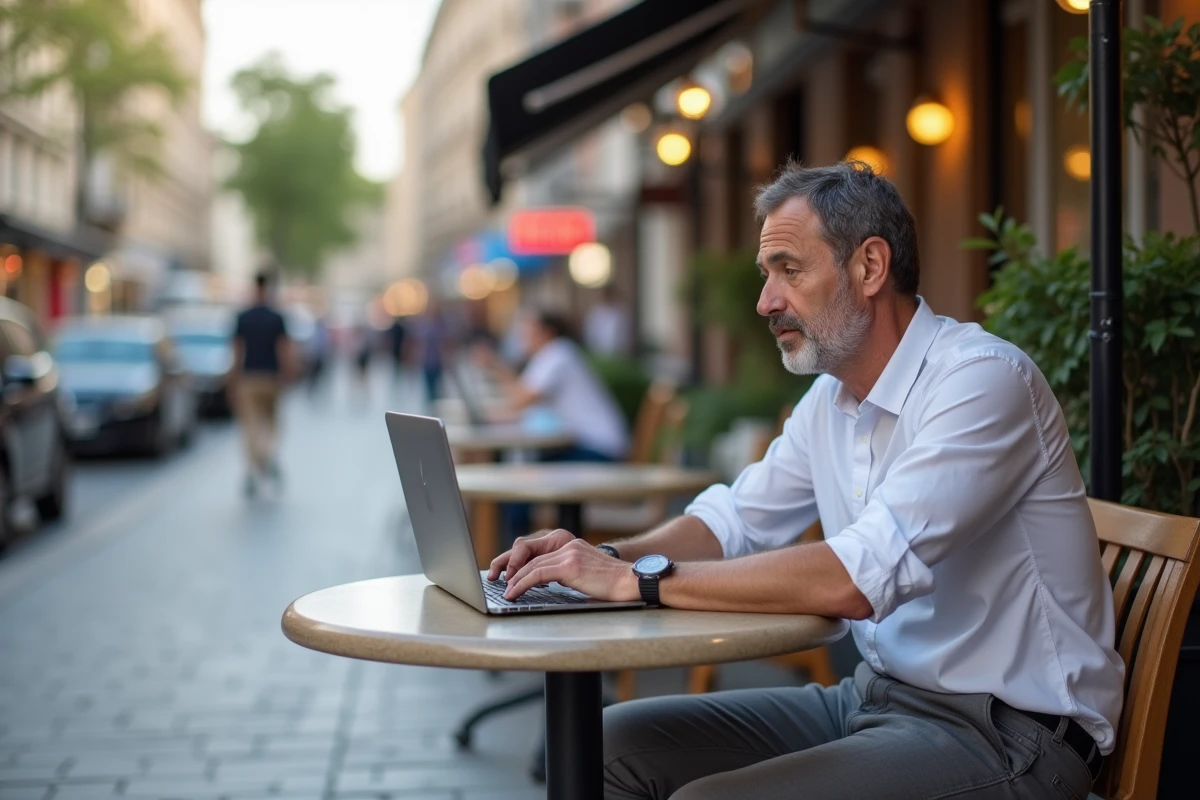
Effectively protecting your privacy on Facebook: concrete advice and best practices
On Facebook, caution is essential when it comes to personal data. The platform is full of sometimes too discreet settings that determine the visibility of your profile, access to your posts, and connections with third-party applications. To limit your exposure, it is advisable to examine each section of the privacy settings. Set your profile to private, manage the visibility of your friends list, limit access to your old posts: these are all reflexes to adopt.
Security does not stop there. Remember to disable automatic access to your data for third-party applications and sites. Always avoid external tools that promise profile visit notifications, as they often mean abusive data collection or information theft. The recommendations of the CNIL and the requirements of the GDPR remind us that keeping control of one’s data is a right, but also a duty to oneself.
To further strengthen the protection of your account, here are three actions to adopt without delay:
- Enable two-factor authentication to secure your Facebook account.
- Review the access of third-party applications and remove those that are no longer in use.
- Use the blocking options if you encounter intrusive or suspicious behavior.
In practice, every new feature, every update of the rules, or every permission requested can constitute a vulnerability. Protecting privacy on Facebook relies on constant attention, knowledge of the right settings, and careful selection of shared information.
On Facebook, the boundary between private life and public space often comes down to a click. A well-configured profile means preserved peace of mind, today and in the future.