
With the rise of digital technologies, managing your finances has never been easier. Accessing your online banking space allows you to track your accounts, make transfers, and manage your savings in just a few clicks. However, this ease of access comes with certain precautions to ensure the security of your sensitive information.
Banks are increasing security measures to protect their customers, but it is important to remain vigilant against fraud attempts. Using strong passwords, enabling two-factor authentication, and being cautious of suspicious emails are simple actions to secure your online banking space.
The different methods to access your online banking space
Accessing your online banking space is primarily done through the website of your bank. This platform provides a comprehensive view of your accounts and banking products. To access it, you need your credentials: username and password. This information is usually provided when you open your account or sent via secure mail.
Beyond the website, banking apps are another common method for remote banking. They allow you to perform various operations, such as transfers, checking your balance and recent transactions, managing your bank card, and even simulating a real estate purchase. Enabling two-factor authentication on these apps enhances the security of your data.
- Automated Teller Machines (ATMs): allow you to check your account, balance, and recent transactions. They also offer the option to order a checkbook or a bank account statement.
- Voice server: accessible via a dedicated number, it allows you to check your balance, order documents, and make transfers.
Also consider subscribing to remote banking services. This option requires internet access from your ISP. It allows you to set up balance alerts, download documents, and contact your advisor or the complaints department if needed.
For a more detailed explanation on remote access, you can consult Rifoinfoin, which offers a comprehensive guide on the subject.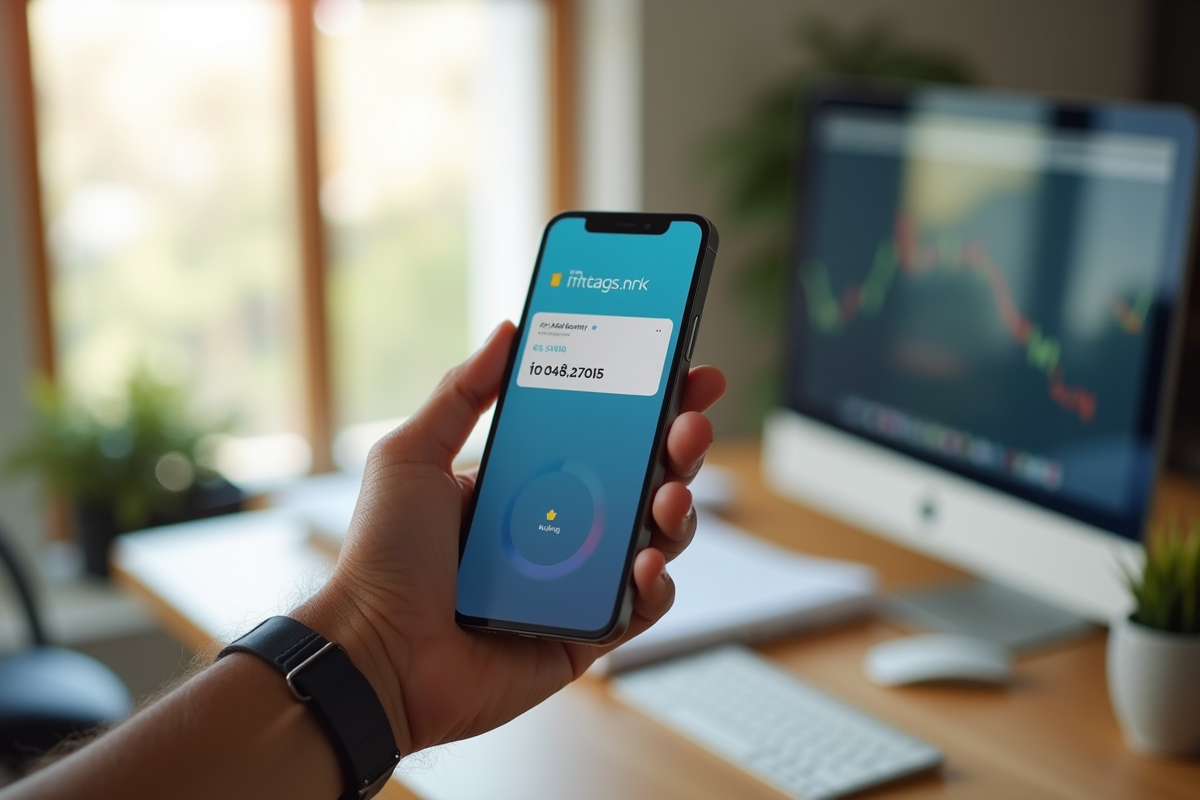
Tips to secure your online banking access
The security of your online banking access relies on several essential pillars. First, the use of strong authentication, implemented since 2019 with the DSP2 directive, is essential. This method combines your username and password with an additional factor, such as a code sent via SMS, a chip card reader, or biometric elements.
To enhance this security, prioritize two-factor authentication. Several banks offer tools like Certicode Plus, SécuriPass, or Digital Key. These tools require validation on a mobile app, ensuring that transactions are made by the account holder.
- Always use secure connections: make sure your bank’s website starts with https and avoid public WiFi networks.
- Install and regularly update an antivirus and a firewall on your devices.
- Choose complex passwords and change them frequently. A password generator can be useful.
For sensitive transactions and online purchases, use options like a virtual bank card or e-card. These solutions generate temporary numbers for each transaction, thereby reducing the risk of fraud.
If you encounter any issues, immediately contact your bank via a secure messaging service to block your bank card. You can also report any phishing or scamming incidents through the Perceval system.
Stay vigilant against fraud attempts and keep informed about best practices in digital security.