30%: this is the proportion of French people over 60 who report having changed their habits to reduce their environmental impact, according to Harris Interactive in 2023. Yet, most “eco-friendly” recommendations continue to overlook this generation, even though they have a concrete lever for action: time, autonomy, and a real ability to pass on knowledge.
Many initiatives aimed at younger people miss the realities of life after 60, such as health, mobility, daily life, and age-related constraints. Instead of forcing ready-made solutions, tailored approaches are taking root. Seniors are taking charge of their green transition at their own pace, in line with their needs and with real freedom of action.
Seniors and Ecology: Specific Challenges from Age 60
Long absent from mainstream ecological campaigns, those over 60 are beginning to step into the spotlight. Everything changes at retirement: time stretches, organization disrupts familiar patterns, and priorities evolve. Staying active, maintaining real connections, preserving health, and avoiding loneliness become essential. For many, breaking out of isolation proves complex, especially when local venues or associations lack diversity.
Looking in detail: women and homeowners, in particular, are often at the forefront of sustainable daily choices. Selecting robust materials, enhancing home insulation, rearranging spaces to live better and longer at home… In the background, one can sense a dual objective: to preserve the planet while ensuring a serene living environment, rich in experience and values that can be passed on.
Participation is not limited to the private sphere. Communities are emerging, ready to highlight the experience of seniors on the ecological stage. Green Seniors, for example, gathers stories, tips, and advice crafted and tested by those over 60. Here, sharing becomes a driving force, and commitment is passed on to the collective, far from any top-down injunction.
Eco-Friendly Actions Within Reach: Concrete Inspirations for Seniors
In reality, seniors do not wait for a guide to rethink their consumption. Sourcing from the local market, following the rhythm of the seasons: this reflex has naturally taken hold. To broaden horizons, there are other simple actions to consider:
- Choosing local products supports independent businesses and creates a positive ripple effect on neighborhood life.
- Thinking about repairing or recycling materials instead of buying new extends the lifespan of objects and limits waste.
- Giving a second life to items: reupholstering a chair, mending clothing, restoring equipment. These small choices genuinely contribute to limiting overconsumption.
Reducing energy consumption is also gaining ground. Improving thermal insulation, systematically turning off standby devices, investing in low-energy equipment: all these actions reduce bills and climate impact. In terms of mobility, many are opting for public transport, carpooling, or biking when possible, because moving together also means staying connected, and it significantly reduces emissions.
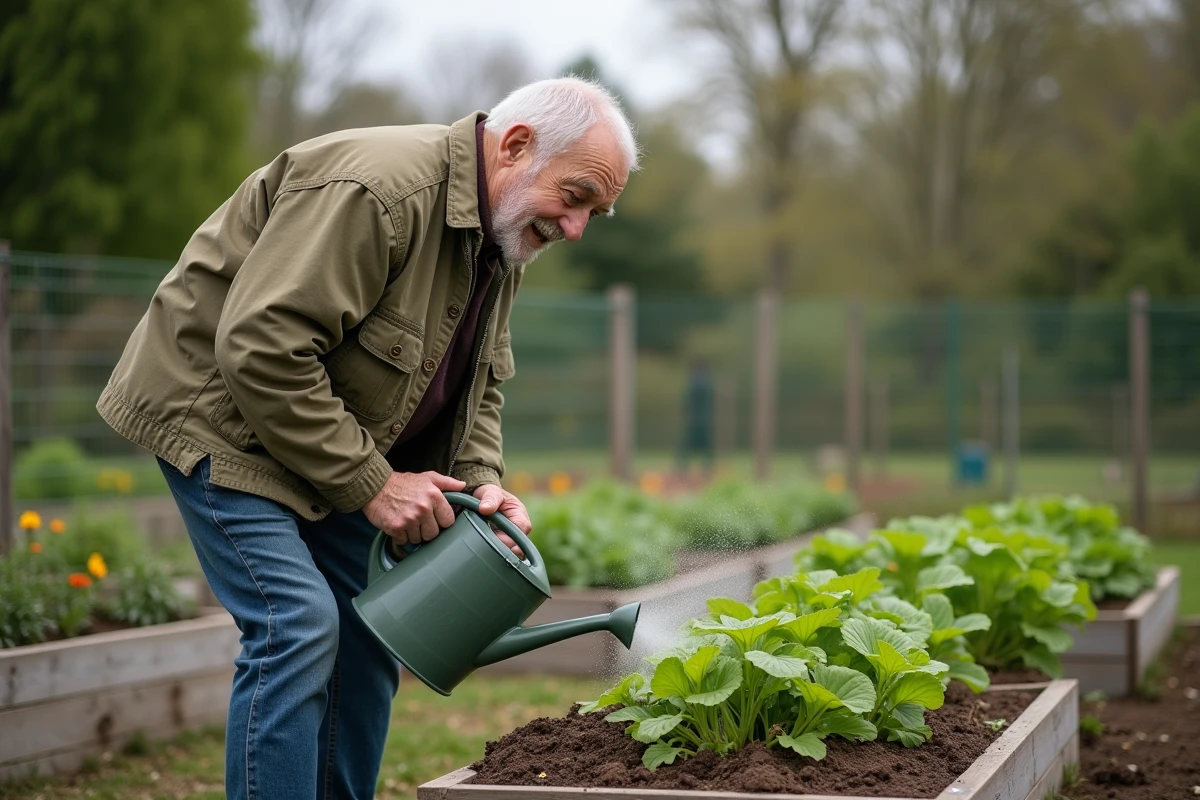
Beyond the home, engagement continues in community life or sharing skills with other generations. Participating in a gardening club, offering help, welcoming new neighbors… These actions vary, but the result remains tangible: creating local connections and driving a vibrant ecological transition, rooted in humanity.
Committed Territories: When Society Facilitates the Green Transition for Seniors
The green transformation relies not only on individual efforts. In many cities, projects are multiplying: adapting public spaces, reorganizing transport, new urban furniture, all converging to facilitate seniors’ access to the city and encourage more sustainable habits. The example of Nice illustrates this: conviviality is increasing, and everyone’s autonomy progresses daily. The car is no longer mandatory; the city opens up to its associations and invites encounters.
On the ground, the associative dynamic proves invaluable. This is the case for certain organizations such as Agir pour la santé des générations futures, which operates as a social center in La Vallée de La Save and Plaisance-du-Touch. Their workshops cover various topics, always practical:
- The basics of responsible purchasing
- The choices of a sustainable diet
- Fall prevention
- The rational management of water and energy
- Solutions for eco-friendly mobility
- Sorting and reducing waste
Action by action, whether in a village or a large city, these initiatives accumulate and create a spiral effect. Mutual aid takes root, and above all, solutions become sustainable because they are embedded in the daily lives of the majority.
Studies, including Kantar Public and Parlons Climat, remind us: passivity has no place. The desire to engage is confirmed, public projects are evolving, and seniors are gradually influencing their surroundings, drawing on their experience and their ability to connect generations. It is impossible to imagine the future without them: the ecological transition accelerates when memory and the desire to pass on take the lead, quietly but for a long time.