
Some flower beds thrive while others stagnate, without any apparent reason. A peony refuses to bloom, an iris withers, and suddenly the gardener’s logic is called into question. The rules of watering, exposure, or variety selection do not apply everywhere in the same way. Sometimes, a single mistake is enough to undermine an entire bed for several seasons.
Mastering the specific needs of each plant, understanding their growth rhythm, and anticipating flowering cycles—this is what makes the difference between an ordinary garden and a living tableau. Working with diversity, aiming for a balance between reasonable maintenance and spectacular blooming: it all rests on well-considered choices that are in harmony with the location.
Understanding the needs of your garden: soil, exposure, and climate
First, closely observe the land before you: the nature of the soil, sun exposure, and the whims of the climate determine success or setbacks. Clay soil retains water but can sometimes suffocate roots. Sandy soil drains quickly but often requires more attention regarding watering. Each garden imposes its constraints and advantages.
The orientation of the plot refines your strategy. Some species do not compromise: full sun or the coolness of shade, they impose their conditions. The biting winter, summer drought, or a balcony in a contrary wind: these elements guide the choices. In every region, there are its champions and its losers.
To know precisely the requirements of each species, rely on specific resources like the flowers on Conseil au Jardin. This type of guide details according to soil, light, and climate for each type of flower. Anticipating these needs avoids disappointments and limits unnecessary uprooting. As your desires clash with the reality of the land, you will refine your selections, and the garden will gain in coherence, year after year.
Which perennials to choose for a garden in bloom all year round?
Favoring perennials means betting on stability and abundance. Their strength: returning faithfully, sometimes more beautiful, season after season. It is the diversity of their blooming, from spring to autumn, that gives such a lively rhythm to a well-thought-out garden.
To guide you, here are simple and effective associations that ensure uninterrupted colors throughout the months:
- In spring, peonies, irises, and columbines instantly color the scene, each bringing its sometimes unexpected hue.
- When summer arrives, rudbeckias, echinaceas, and panicled phlox take over, enduring the sun without weakening.
- Then, in autumn, asters and heleniums continue to brighten the borders, even as the days shorten.
The advantage of these perennials is their robustness. They outline the structure, while a few bulbs (for spring) or annuals (to fill out the beds in summer) boost the visual effect at specific times. Before purchasing, ensure that each chosen plant aligns with the nature of your soil and exposure: the harmony between the species and your land makes all the difference.
Consider planting low varieties in the borders, such as perennial geraniums and bellflowers, to frame the beds and mask the gaps. Playing with heights and textures gives body to the garden, infusing it with relief and density until it imposes its own personality.
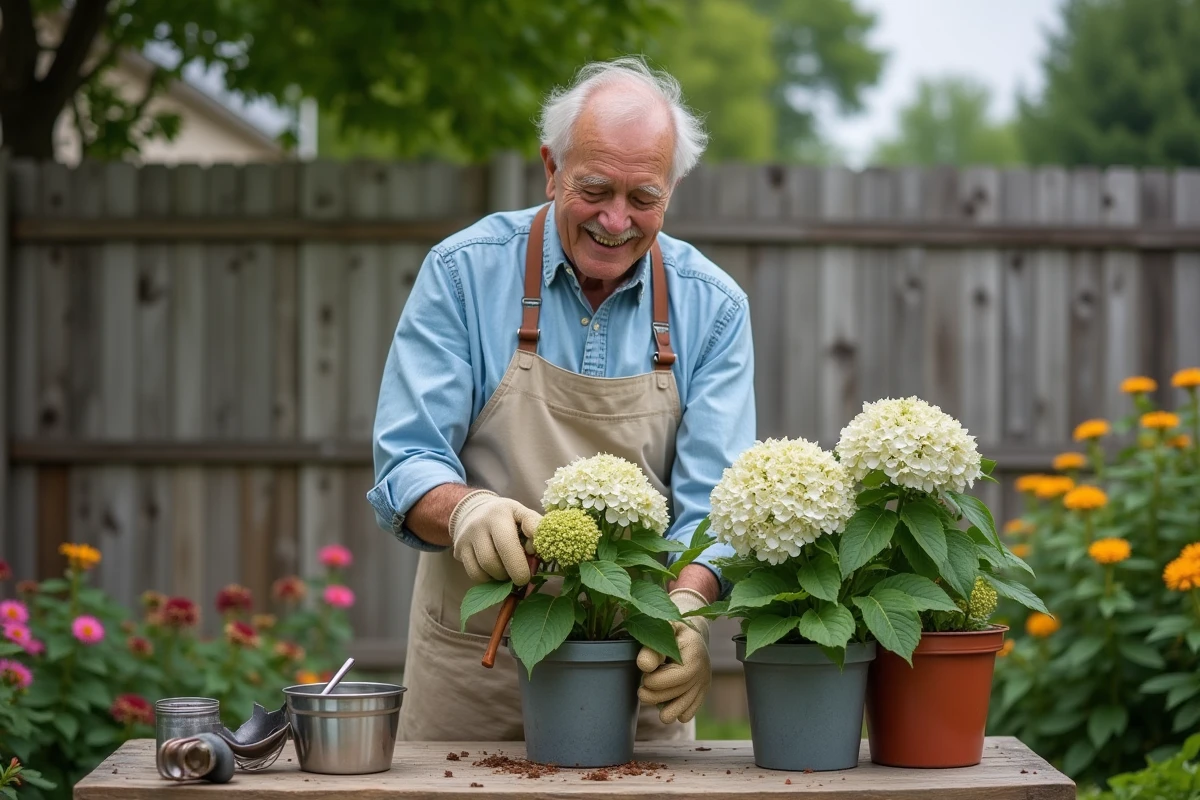
Practical tips for maintaining and enhancing your flowers through the seasons
A radiant garden is one that receives regular attention. Prune as soon as the first faded flowers appear: this simple gesture encourages recovery, sometimes even a new bloom. A well-used pruner is enough to revive a damaged bed.
Adjust watering to natural cycles. In spring, favor a light morning watering; the coolness nourishes growth without creating water stress. In summer, be more vigilant, especially when blooms reach their peak; mulch generously to retain moisture and limit competition from invasive weeds.
To support your plants, adding mature compost or natural fertilizer at the end of winter and then when the leaves fall is usually sufficient. It’s better to avoid excess chemical fertilizer, which often weakens the plant in the medium term. Watch for the appearance of any diseases or pests: intervening gently at the first signs is essential to preserve the health and balance of the entire garden.
The repetition of good practices, throughout the seasons, creates lasting momentum: the beds gain intensity, blooms succeed one another, and every detail tells the living story of the place. Breathe, observe, take in the spectacle: in the garden, every choice is reflected in the splendor of the day.