The Pays de Retz stretches between the Loire estuary and the north of Vendée, featuring a coastline dotted with creeks, Natura 2000 classified marshes, and a hinterland of hedgerows. For a visitor looking to compare the different facets of this territory, the question arises: where does the density of experiences concentrate depending on whether one favors the coast, the marshes, or the inland areas?
Coast, marshes, or hinterland: three axes of the Pays de Retz face to face
The diversity of the Pays de Retz is best understood when contrasting its three main geographical axes. Each attracts a different type of visitor, with unique activities and rhythms.
| Axis | Communes and landmark sites | Dominant activities | Suitable profile |
|---|---|---|---|
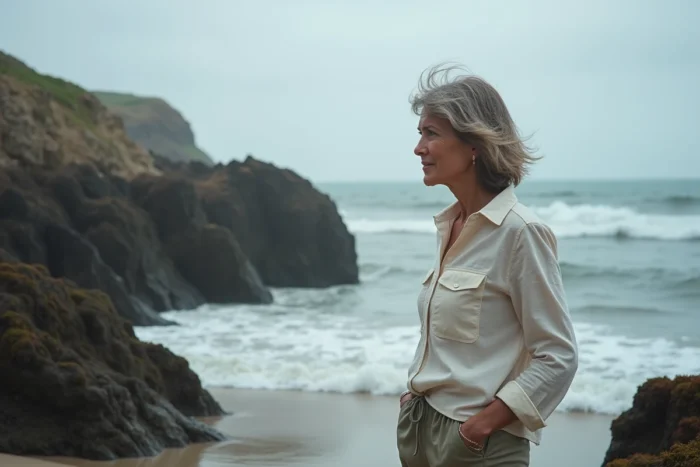
| Coast (Côte de Jade) | Pornic, Saint-Brevin, La Bernerie-en-Retz | Beaches, coastal paths, fisheries, water sports | Families, water sports enthusiasts |
| Brittany Marshes | Villeneuve-en-Retz, Les Moutiers-en-Retz, Bourgneuf-en-Retz | Slow hiking, birdwatching, salt marshes, cycling on channels | Nature lovers |
| Inland and Grand-Lieu Lake | Sainte-Pazanne, Saint-Lumine-de-Coutais, Machecoul | Birdwatching observatory, heritage (castle), Fishermen’s House | Heritage and wetland enthusiasts |
The coast attracts summer visitors, but the marshes and inland areas offer experiences that most online guides barely cover. It is in these two axes that the destination gains its uniqueness, particularly thanks to the recent emergence of structured routes for cycling and micro-adventures.
Practical information on accommodations, routes, and events in the territory is gathered on coeurpaysderetz.fr, making it easier to plan a stay that combines these three axes.
Micro-adventure and slow tourism: the Pays de Retz structures its nature routes
Since 2024, the Pays de Retz has positioned itself as a micro-adventure destination between the coast and the marshes. One-day or weekend routes combine coastal paths, marsh crossings, and visits to villages like Les Moutiers-en-Retz or Sainte-Pazanne. The goal set by local offices and outdoor platforms: to offer a disconnection experience, far from the classic seaside model.
This slow outdoor approach distinguishes itself from what neighboring resorts offer. It is based on a few concrete principles:
- Marked routes between channels and bossis in the Brittany marshes, accessible on foot or by bike, with no need for a car once on site
- Specific guides dated 2026 that structure the cycling destination with loops suitable for different levels
- A network of local producers (salt, oysters, market gardening) integrated into the routes to combine physical effort with culinary discovery
The Marais Breton Vendéen, a protected natural area classified as Natura 2000, serves as the main playground for these routes. It extends from Villeneuve-en-Retz to Vendée, featuring specific flora and fauna not found on the adjacent coastline.
Cycling as a common thread between landscapes
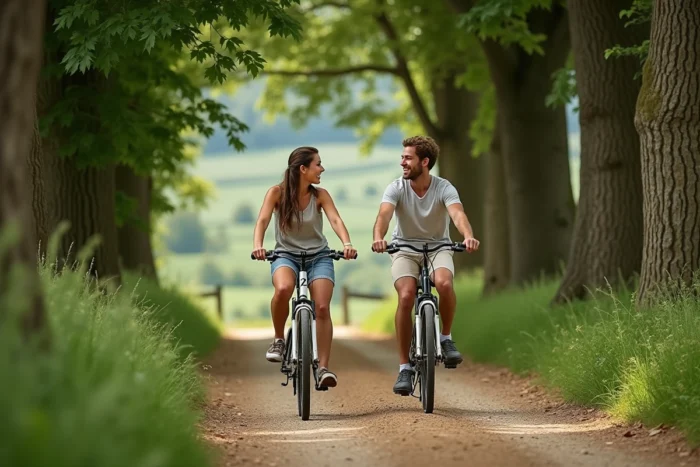
The structuring of cycling routes in the Pays de Retz represents a recent shift. Guides published in 2026 by local tourist offices offer loops connecting the Côte de Jade to the inland marshes, with short or long variations. Cycling allows for connecting the coast and hinterland in a single day, which was previously reserved for motorists.
This “cycling destination” aspect remains underutilized by online tourist content, which is still predominantly focused on day trips by car. The paths between channels, towpaths, and small hedgerow roads form a coherent network, suitable for both families and seasoned cyclists.
Grand-Lieu Lake and inland heritage: the nature axis that the Pays de Retz highlights
The northern fringe of the Pays de Retz provides access to Grand-Lieu Lake, one of the largest wetland areas on the French Atlantic coast. The Grand Lieu tourist office highlights several sites that structure a distinct visiting axis from the coast.
The Fishermen’s House of Grand-Lieu Lake tells the story of traditional fishing in this shallow lake, rich in biodiversity. The nearby birdwatching observatory allows for observing nesting and migratory species in a preserved setting. The bell tower of Saint-Lumine-de-Coutais completes this heritage loop.
In Machecoul, the castle recalls the medieval history of the territory. These sites, connected by quiet country roads, form a coherent route for a day without stepping on the sand.
Birdwatching and wetlands: a growing audience
Birdwatching attracts a growing audience in the hinterland of the Pays de Retz. Grand-Lieu Lake, due to its size and classification, is a major site at the European level for bird observation. Visitors coming here do not seek the same experiences as those frequenting the beaches of Pornic or Saint-Brevin.
However, these two profiles can easily coexist during the same stay. The distance between the coast and the lake can be covered in less than an hour, allowing for a morning of birdwatching combined with an afternoon on the Côte de Jade.
Living heritage and producers of the Pays de Retz: salt, museum, and know-how
The Museum of the Pays de Retz, located in Bourgneuf-en-Retz, documents the local history and traditions of the territory. The historic urban route of Bourgneuf allows for extending the visit on foot in the village.
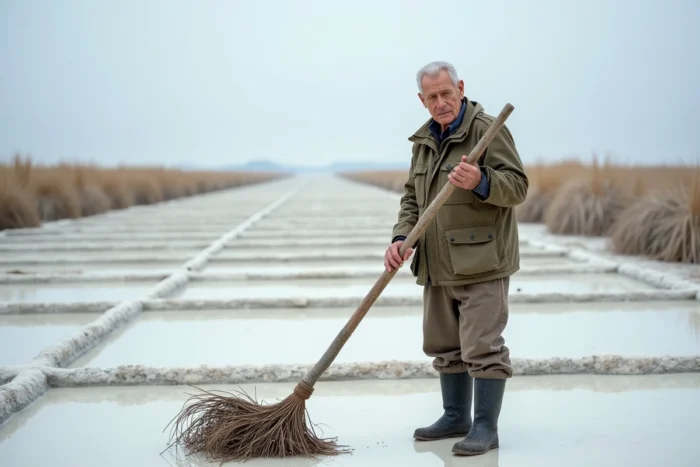
Salt remains the emblematic production of the marshes of the Pays de Retz. The active salt marshes offer tours that explain the harvesting techniques, from the salt worker to coarse salt. This activity works particularly well for families, with a concrete educational aspect.
- Salt marsh visits with harvesting demonstrations, available from May to September
- Oyster producers located on the coast, with tastings possible directly at the oyster farmer’s
- The Ressourcerie du Pays de Retz in Sainte-Pazanne, an atypical place that showcases the local circular economy
The intersection of built heritage, craftsmanship, and food production constitutes one of the unique features of the Pays de Retz compared to neighboring coastal destinations. The density of publicly accessible producers distinguishes this territory from a simple seaside resort.
The Pays de Retz can be seen as a territory with three speeds: the coast for the summer rhythm, the marshes for slowing down, and the inland for heritage and natural discovery. The appeal of the destination lies in the ability to move from one axis to another in just a few kilometers, without ever encountering the same landscape.