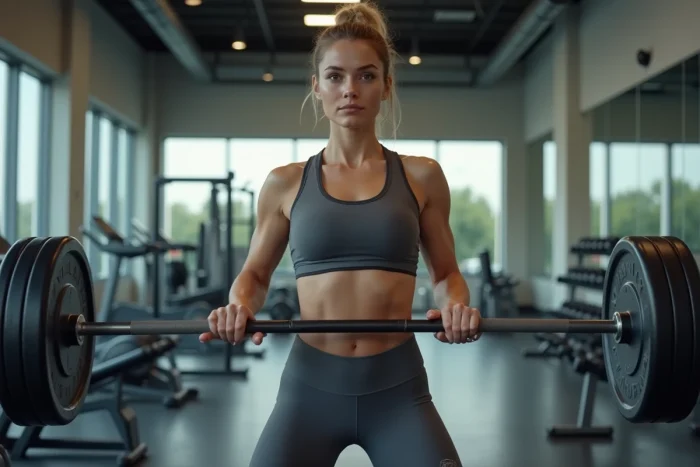
No one can agree. On one side, some gyms display “fitness” in their windows but turn their backs on traditional weight machines. On the other side, “gym” spreads across brochures and refers to a range of group activities, far from the dumbbell stereotype. Words dance, boundaries blur, and for those looking to get started, confusion lurks around every corner. It’s not just a matter of equipment or method: everything, from the atmosphere to the support, to the goals, subtly changes depending on the brand and the term chosen.
Gym and fitness: what are the daily differences?
Gym is rooted in a lasting tradition: the body primarily works with its own weight, sometimes enhanced with small accessories. Here, we talk about agility, coordination, flexibility, core strength, and mobility. Sessions are divided between group classes, floor exercises, stretching, and held postures. The idea? To progress overall, strengthen muscles deeply, and regain a healthy relationship with movement, without necessarily aiming for performance at all costs. This approach appeals to those who want to advance step by step, in a often supportive and progressive environment.
Fitness, on the other hand, plays the card of rhythm and diversity. Treadmills, bikes, guided weight machines, everything revolves around energy expenditure and challenge. Here, you work on breathing, endurance, muscular power, always with a tangible goal: burn calories, feel your heart race, push your limits. Sessions flow one after another, dynamic, often driven by a pulsating playlist and a motivating coach. The difference between gym and fitness is evident every day on the ground: nature of machines, intensity of workouts, priority given to technique or the search for strong sensations, muted or electrifying atmosphere. Some like to take the time to refine their movements, while others want to sweat and push themselves, caught up in the energy of the group. The range of formats, from ultra-equipped gyms to group classes, allows everyone to find what suits their pace and desires for fitness or vitality.
How to know which activity really meets your needs?
Before diving in, ask yourself what you really expect from your practice. Why do you want to move now? Is it to regain energy, relieve stress, or cross a threshold after a period of inactivity? Each motivation has its own path. Some simply want to get back in shape, others aim for a sports goal, and some seek to prevent health issues by staying active.
The reality of daily life matters: how much time can you dedicate, and what budget are you willing to invest? Gym sessions require specific time slots and sometimes travel. If you aspire to more flexibility, videos or apps at home open up other possibilities. Pilates, yoga, strength training, cardio: today, France is overflowing with options, accessible everywhere, for all profiles.
Your relationship with the collective can also make a difference. Some find their motivation in the energy of the group, while others prefer the tranquility of home. To help you refine your choice, here are some concrete criteria to review:
- Autonomy or personalized support
- Desired intensity or balance and gentleness
- Preference for the warm atmosphere of the gym or the comfort of home
Consider your goals: strengthen your muscles without harshness? Pilates or gentle gym is for you. Burn calories, improve endurance? Fitness and cardio will meet your expectations. The richness of formats, guided sessions or video programs at home, allows for a truly tailored choice that respects the tempo of your life.
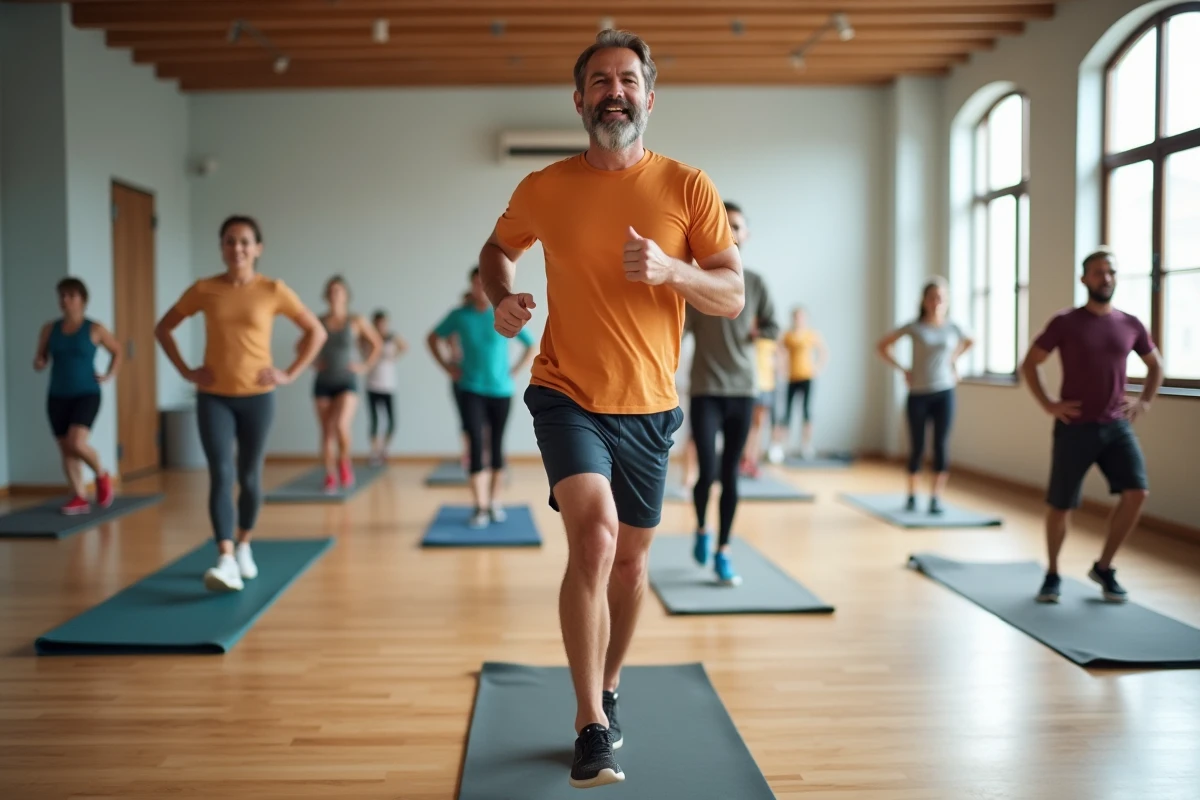
Practical tips for choosing and starting smoothly
First of all, write down what you wish to accomplish. Endurance, targeted strengthening, renewed vitality? Clarify your expectations to give yourself the best chance to progress. A personal trainer can refine your approach and help you adopt the right reflexes, limiting the risk of injury, especially at the start.
Also take the time to assess your availability and the amount you wish to invest. Consistency makes all the difference: it’s better to stick to it every week, even briefly, than to force it and then give up. Short sessions, integrated into your schedule, are sometimes more effective than a monthly sports marathon. Online programs make it easier to adapt to all schedules.
Another point not to overlook: managing your data. Whether in the gym or on an app, inquire about the privacy policy, the handling of your email address, and the presence of an IT manager. If you reside in an EU country, you have the option to contact your data protection authority in case of issues or disputes. Be sure to review the privacy policy regarding the processing or deletion of your information, especially regarding what happens to your data after you leave.
Finally, don’t rush anything. Give your body time to adjust, modify exercises according to your feelings, and progress at your own pace. Consistency and self-awareness make the real difference in the long run. At the end of the journey, it’s not the discipline displayed on the door that matters, but the regained momentum, tangible progress, and the desire to continue, session after session.