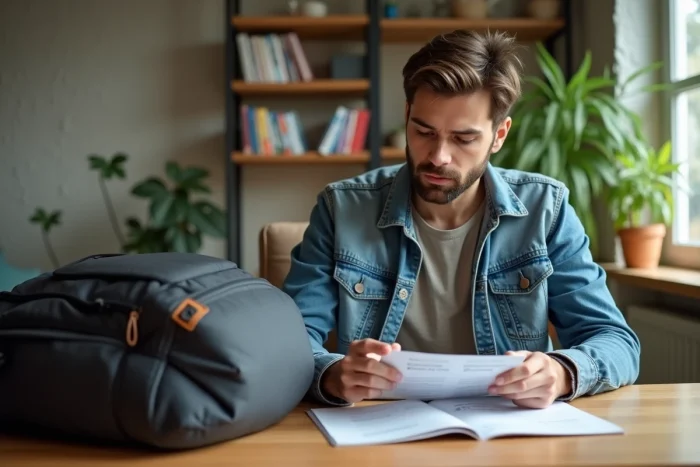
Some Eastpak models circulate with logos sewn upside down or different zippers depending on the color of the bag, even though authenticity requires great consistency in these details. The barcodes on the original labels sometimes vary from one series to another, but counterfeits often make mistakes in the font or spacing of the numbers. Subtle differences in the fabric weight or the alignment of the seams can thwart quick checks and often escape the untrained eye.
Why are Eastpak bags so often copied?
In the world of leather goods, few pieces escape the eye of counterfeiters. The Eastpak bag, a symbol of durability and urban style, quickly became a prime target for counterfeiting. Its recognizable design, iconic colors, and reputation built on reliability all contribute to making it a coveted item, both by enthusiasts and those looking to ride on its success.
The demand remains strong. Students, families, and travelers favor the Eastpak bag for its sturdiness, practicality, and the image it projects. This enthusiasm fuels a wave of copies, often sold on platforms where vigilance is not always present. The internet and social media have further amplified the circulation of counterfeit models, complicating the task for those trying to avoid fake bags.
This phenomenon does not only affect luxury brands. It seeps everywhere, blurring the line between the real and the copy. The traps are numerous: sloppy stitching, poor materials, approximate labels. For those who want to learn how to distinguish an original Eastpak from a fake, there are reliable resources, such as “Recognizing a Real Eastpak: Tips and Advice to Avoid Counterfeits – By Julie,” which help arm against the proliferation of imitations.
To understand the extent of the phenomenon, here are some key facts:
- The Eastpak bag remains a safe bet, making it a prime target for copy manufacturers.
- Online platforms and social media multiply the distribution of counterfeits.
- Appearance can be deceiving: only certain details can help identify a counterfeit.
Recognizing a real Eastpak: the signs not to miss
A few gestures are enough to differentiate an authentic bag from a copy. Start by observing the stitching: on an original, it is neat, regular, with no loose threads or questionable stitches. The quality of the thread, the precision of the assembly, the finish—all should inspire confidence.
Pay attention to the logo. The font, the precision of the design, the accuracy of the colors: nothing is left to chance on a real Eastpak. A poorly placed logo, poorly embroidered, or one that seems blurry should raise alarms. The same requirement applies to the label: if it is poorly sewn, if the text is off, or if the spelling is questionable, move on.
Next, look at the zippers. An original Eastpak typically features YKK zippers, which are a mark of reliability. They glide smoothly, and the slider inspires confidence. Counterfeit bags often have fragile zippers that are unbranded or difficult to operate. Slip your hand inside: the fabric should be dense, the lining well-made, with no excess glue or sewing defects. The interior says a lot about the overall quality.
Here are the points to watch for to avoid mistakes:
- Bag authenticity: impeccable stitching, clear logo, compliant label
- Zip: sturdiness and presence of the YKK brand
- Bag interior: clean finishes, robust materials
To distinguish an original from an imitation, rely on these signs and, in case of doubt, contact the brand’s customer service. It is these details, sometimes minute, that make the difference between the authentic and the copy.
Questions to ask before buying to avoid counterfeits
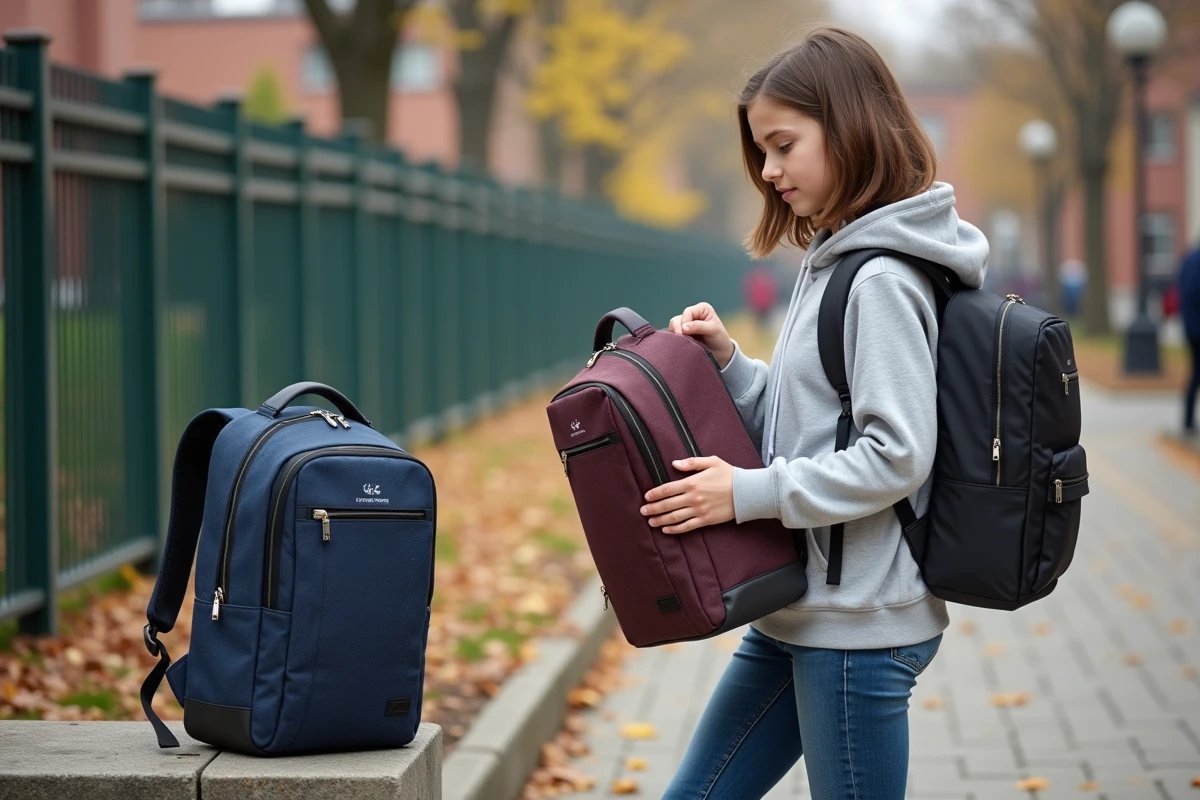
Buying an Eastpak should leave nothing to chance. Before placing an order, it is wise to question several points. Always prioritize certified resellers, whether they are physical stores or recognized websites. A price that seems too good to be true rarely hides an official product: counterfeiting thrives on the illusion of a good deal.
Take the time to verify the origin of the item. Legal mentions, the website address, the ability to contact the seller: these elements are indicators of seriousness. Photos should be numerous, clear, showing the bag from all angles and zooming in on the logo, the zipper, the inner label. If the seller seems to evade or refuses to send detailed pictures, caution is warranted.
The return policy is another signal not to be overlooked. A reliable seller offers a right of withdrawal and responsive customer service. Also check the reviews, but only trust platforms that verify the authenticity of the comments.
To leave nothing to chance, here are the questions to keep in mind:
- Is the price displayed consistent with the market?
- Is the seller clearly identified, certified, transparent?
- Do the visible details (logo, stitching, label) inspire confidence?
- Does the warranty offered provide for a simple and quick return?
Before finalizing your purchase, review each criterion. Vigilance at every step, from choosing the point of sale to examining the bag, remains the best defense against unpleasant surprises. A real Eastpak guarantees a solid companion, provided you do not let yourself be distracted by the mirages of the fake.