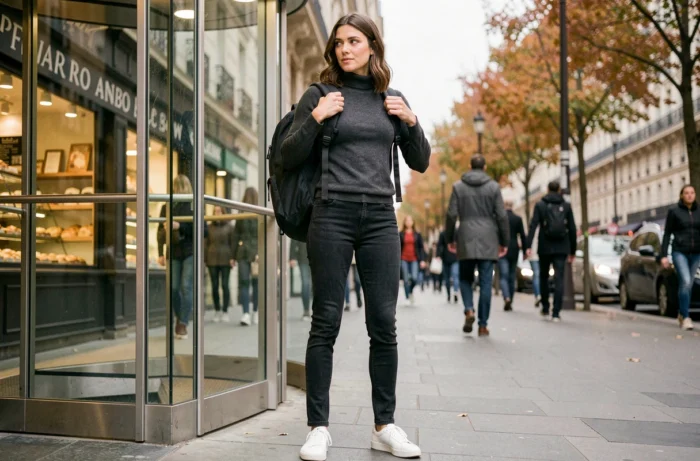
Wearing a backpack in the city, long associated with students or hikers, has become a reflex for many urban women. The technical backpack is gaining ground in daily commutes, public transport, and even at the office. Behind this enthusiasm, there are concrete reasons related to physical comfort, daily organization, and new demands for product durability.
Back comfort and hands-free mobility in transport
Have you ever noticed the difference between a subway ride with a tote bag in one hand and a phone in the other, and the same ride with your hands free? This is the first argument that comes up among urban women who have switched to a technical backpack.
A backpack designed for active use distributes weight across both shoulders. Padded straps and a ventilated back panel, inherited from hiking models, reduce tension on the trapezius and cervical muscles. A shoulder bag or a tote loaded with a laptop always puts strain on the same side of the body, which over time can cause muscle imbalances.
By adopting the technical backpack in the city, urban women also gain freedom of movement. Biking, scootering, or brisk walking between appointments: the back remains straight, and hands are free to hold onto a railing, validate a transport ticket, or simply enjoy a coffee.
Laptop compartment and interior organization: what changes the game
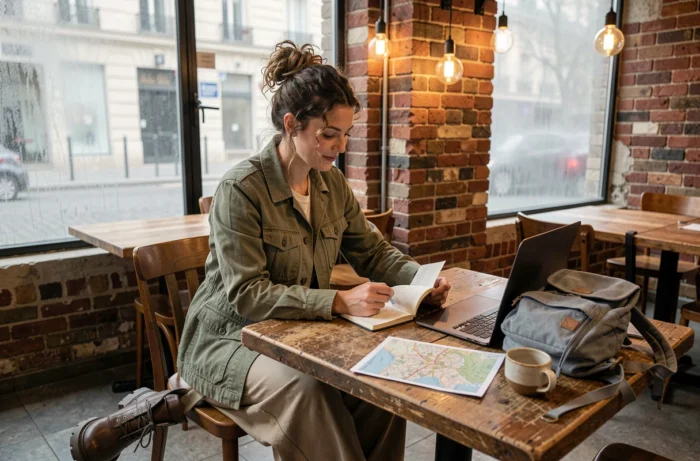
A leather tote may be stylish, but it rarely offers a padded compartment for a laptop. Technical backpacks include a dedicated pocket, often suspended (the bottom of the compartment does not touch the ground when the bag is placed down). This detail protects the device from daily shocks.
Internal organization distinguishes the technical bag from a basic backpack. Models designed for the city offer separate pockets for the charger, cables, a water bottle, an access badge, and a notebook. The result: no more rummaging through the bottom of the bag for three minutes in front of the office security gate.
Here are the storage elements that are most commonly found in women’s urban models:
- A padded compartment for a laptop, isolated from the rest of the bag to avoid scratches
- A quick-access exterior pocket (for phone, Navigo pass, headphones) without opening the main compartment
- A side water bottle holder or an elastic pocket that keeps a bottle upright
- A zipped inner pocket for valuables, placed against the back
These details may seem trivial on a product sheet. In practice, they transform the fluidity of daily life.
Technical backpack and urban style: the boundary has shifted
A few years ago, a technical backpack in the city meant a bulky volume, visible straps, and bright colors. This is no longer the case. Brands targeting urban women offer sleek lines, matte materials, neutral colors (black, gray, beige, khaki), and compact volumes, often around twenty liters.
The technical design now blends into an urban silhouette. The straps are thinner, compression buckles are discreet, and some brands add leather or recycled fabric finishes that integrate well with both jeans and structured coats.
This aesthetic shift is explained by demand. Urban women do not want to choose between comfort and appearance. A bag that works in meetings as well as on outings, transitioning from the office to a restaurant without changing outfits, meets a lifestyle where days are no longer segmented into separate blocks.
Durability and traceability: the new demands of buyers
The choice of a technical backpack is no longer based solely on price or appearance. The durability of the product increasingly weighs in on the purchasing decision. A bag with replaceable zippers, repairable straps, and fabric that withstands urban abrasion may cost more upfront but lasts significantly longer than an entry-level model that is replaced every year.
From a regulatory standpoint, textiles are gradually entering the scope of the European digital passport. The European regulation on the eco-design of sustainable products (Regulation (EU) 2024/1781), which came into effect on July 18, 2024, requires information on composition, origin, reparability, and end-of-life of products, by category. Textiles and clothing are among the priority groups of the European work plan adopted on April 16, 2025.
Concrete obligations will depend on a specific delegated act for textiles, which has not yet been published. In the meantime, some brands are already anticipating by displaying the traceability of their materials, repair instructions, and a list of replaceable components. For a buyer, this information allows for comparing two bags not based on appearance, but on their actual lifespan and environmental impact.
What this concretely changes at the time of purchase
Even before regulations mandate it, checking a few points helps make an informed choice:
- Are the zippers, buckles, and sliders sold as spare parts by the brand?
- Is the main fabric identified (type of fiber, weight, water-repellent treatment)?
- Does the brand offer a repair service or a partnership with a workshop?
A technical bag that allows you to replace a strap or a chest strap after three years of intensive use does not hold the same value as a disposable model at the first snag.
The technical backpack in the city appeals to urban women because it meets a real need: to carry a laptop comfortably, keep hands free, remain presentable, and not have to buy a new bag every year. The gradual introduction of regulatory frameworks on textile traceability will only reinforce this trend, providing buyers with more reliable comparison criteria than just the displayed price.